[ 📂 DOWNLOAD FULL MEDIA ASSETS FOLDER (Google Drive) ]
Andrew LiVecchi (pronounced li-VEK-ee)
Writer of Epic Fantasy | English PhD | Humanities Professor

Bios
One-Liner (For Quick Introductions)
Andrew LiVecchi is an English PhD and author of immersive epic fantasy living in Ontario, Canada.
The Standard Bio (For Podcast Hosts and Reviewers)
Andrew LiVecchi is a writer of epic fantasy.
Since childhood, he has been obsessed with all things ancient and medieval, starting with Ivanhoe, Robin Hood, and Greek myth and culminating in an English PhD from Western University. In his fiction, he attempts to capture some of what he has found so endlessly fascinating about his favourite stories, drawing inspiration from classical mythology, medieval romance, and modern fantasy.
Andrew lives in Cambridge, Ontario and works as a literature and humanities professor. In his free time, he enjoys Brazilian jiu-jitsu, playing piano, and gaming.
Books
The Lays of Athewain series
- Son of the Thunder Goddess (2025)
- Rage of the Raven Queen (2025)
- Heir of the Dragon’s Fire (Forthcoming)
If you are interested in receiving a free review copy, fill out this form.


Ongoing and Serialized Work
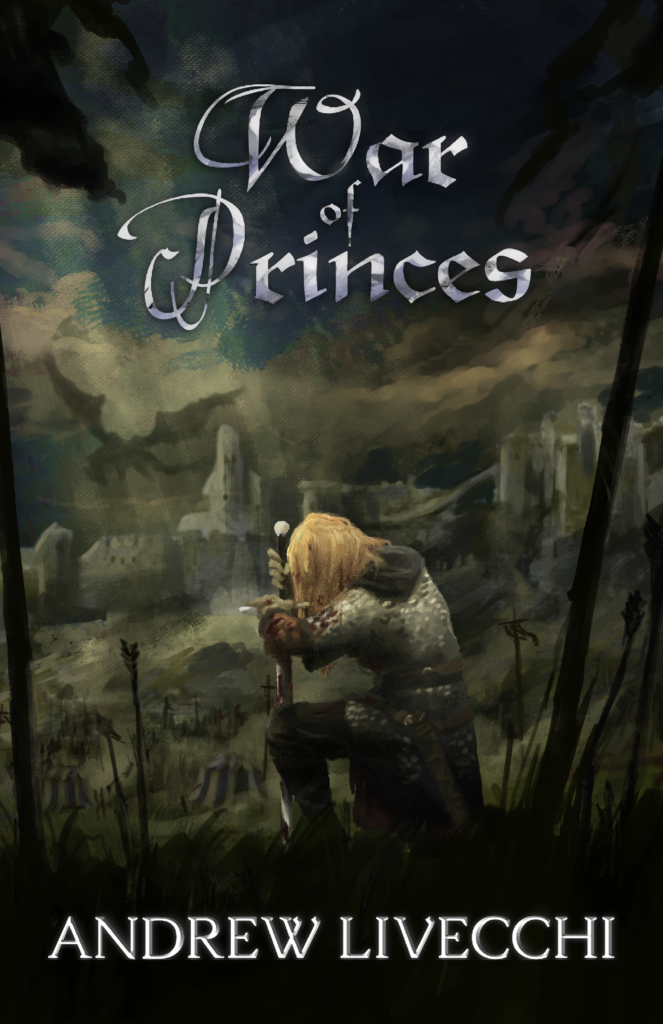
- War of Princes, serialized fantasy novel (2026, ongoing)
Short Fiction
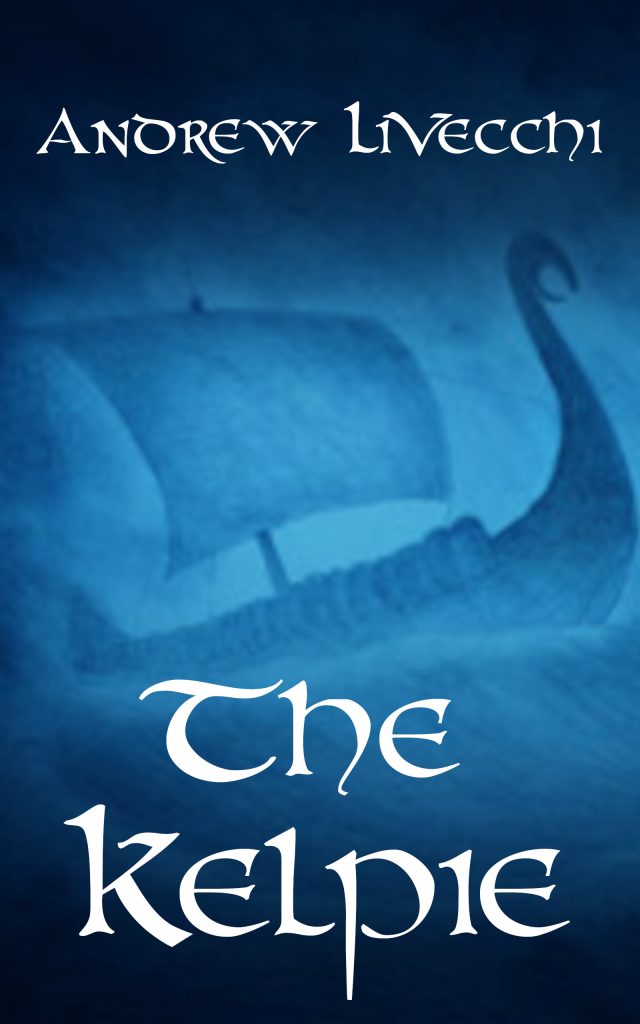
- “The Kelpie” (2023), Kingdoms of Wrath and Ice
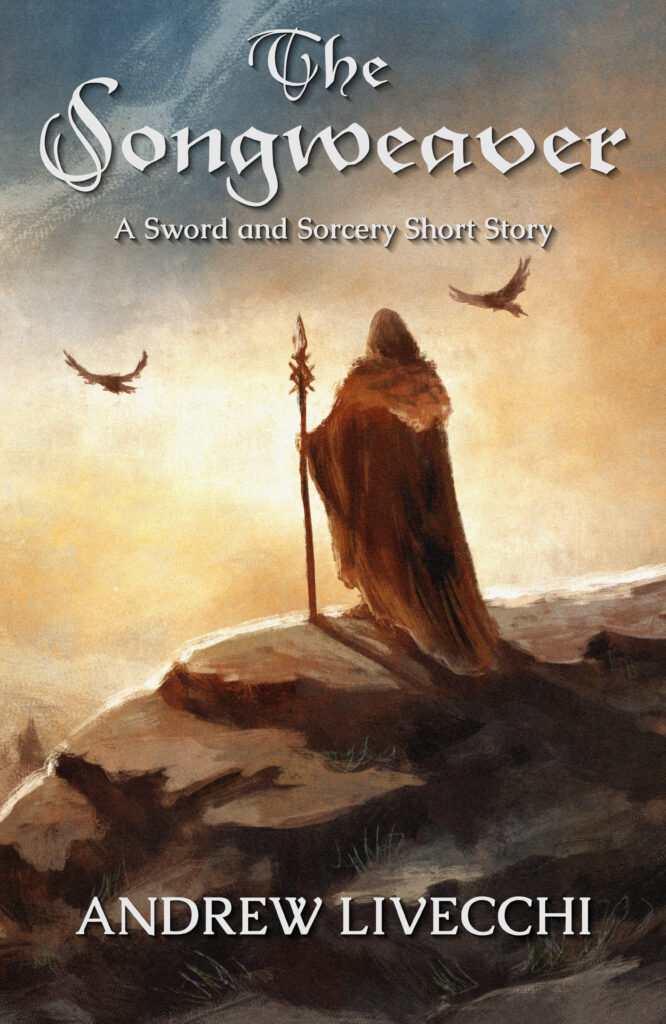
- “The Songweaver” (2025), Baubles From Bones, Issue 4
Podcast Interview Topics and Hooks
I am very flexible and happy to tailor any of these topics to fit the specific audience, tone, and duration of your show.
- Recovering Enchantment: How to Write Epic Fantasy That Feels Authentically Premodern.
- The Hook: Most modern fantasy places modern characters with 21st-century secular minds into an ancient or medieval setting. How do we write characters who believe nature itself is the handiwork of the gods and that even natural phenomena can be ascribed to the activities of moral agents, human and divine?
- Key Talking Points:
- The concept of the “porous self” vs. the “buffered self.”
- How ancient peoples viewed nature, magic, and the divine.
- Practical tips for approaching magic and the gods in ways that feel mythic rather than mechanical.
- Why Reading Old Books Makes You a Better Writer.
- The Hook: The more you familiarize yourself with the language and literature of the culture you are using as inspiration, the better you’ll be able to imbue everything from your characterization to your dialogue to your prose with historically informed believability.
- Key Talking Points:
- Overcoming the intimidation of reading old books.
- Surprising insights from classic primary sources and their continued relevance.
- Coming face-to-face with a different worldview.
- How C. S. Lewis and J.R.R. Tolkien’s familiarity with old languages and literature made their worlds feel so enchanted and deep.
- Why Indie Authors Should Sell Their Books In-Person.
- The Hook: Most advice in the indie-publishing world is to ignore physical copies and focus exclusively on ebook sales. But if you’re not a part of the rapid-release, write-to-market crowd, and you’re sick and tired of trying to game Amazon’s algorithm, in-person events are awesome.
- Key Talking Points:
- Meeting readers face-to-face.
- Getting real-time feedback on your covers and book pitch.
- Standing out in a crowded market.
- How to set up a killer book table.
- Working with consignment managers and event organizers.
- Foregrounding your humanity in the age of AI.
- History and Worldbuilding: Taking Inspiration from Ancient and Medieval History.
- The Hook: Want to create fantasy worlds that feel real, gritty, and “lived-in”? The best way to bypass the tropes and cliches of generic medieval fantasy is to immerse yourself in history,
- Key Talking Points:
- How to get started learning about history.
- Surprising insights and favourite stories from history.
- The complexities of ancient empires and medieval feudalism.
- The tactical realities of ancient and medieval warfare.
- Incorporating historical attitudes and worldviews into your fantasy writing.
- Writing Fiction as a Christian vs Writing “Christian Fiction.”
- The Hook: There is a vast, under-served audience of thoughtful readers who find mainstream “Christian Fiction” too sanitized, moralistic, and safe. How do writers of faith create stories that honestly wrestle with a broken world, complex ethical dilemmas, and thorny theological problems, in the long, storied tradition of Christian writers like Spenser, Milton, Dostoevsky, Lewis, and Tolkien?
- Key Talking Points:
- Art as a vehicle for speaking truth.
- Deconstructing the notion of “clean fiction.”
- Avoiding the shallow theology of “culture war” Christianity.
- Learning from great Christian fantastic literature of the past: Beowulf, Sir Gawain and the Green Knight, The Faerie Queene, Paradise Lost, The Chronicles of Narnia, Lord of the Rings, etc.
- How to write with deep philosophical nuance without alienating secular readers.
- Writing Artistic, Timeless Stories Instead of Chasing Trends.
- The Hook: For so long, indie publishing has been dominated by the twin philosophies of Write to Market and Rapid Release, which promote creating trope-heavy, trendy, and conventional stories as fast as humanly possible (or inhumanly possible, with AI assistance). But for writers who take the art of writing seriously, and aspire to create something with literary merit, there is another path: pursuing timeless art over fading trends.
- Key Talking Points:
- Trend shelf-life, burnout, and the AI-led race to the bottom.
- Mining the past for timeless themes: history, mythology, classic literature.
- Understanding and employing archetypes.
- Why works like Lord of the Rings endure and modern adaptations like Rings of Power fail to capture the same sense of verisimilitude.
Contact Info
- Website: andrewlivecchi.com
- Email: andrew.livecchi@gmail.com
- Substack: andrewlivecchi.substack.com
Recent Media Appearances
Niki Florica
- Blog: Gauls, Gods, and Gideon: My Interview with Andrew LiVecchi
- BookTube: The Rough Draft // Fantasy, Academia, and Everything in Between with Andrew Livecchi
Jason Shannon Podcast
Indie Fantasy Channel
Nicholas Fuller