Tag: medieval
-
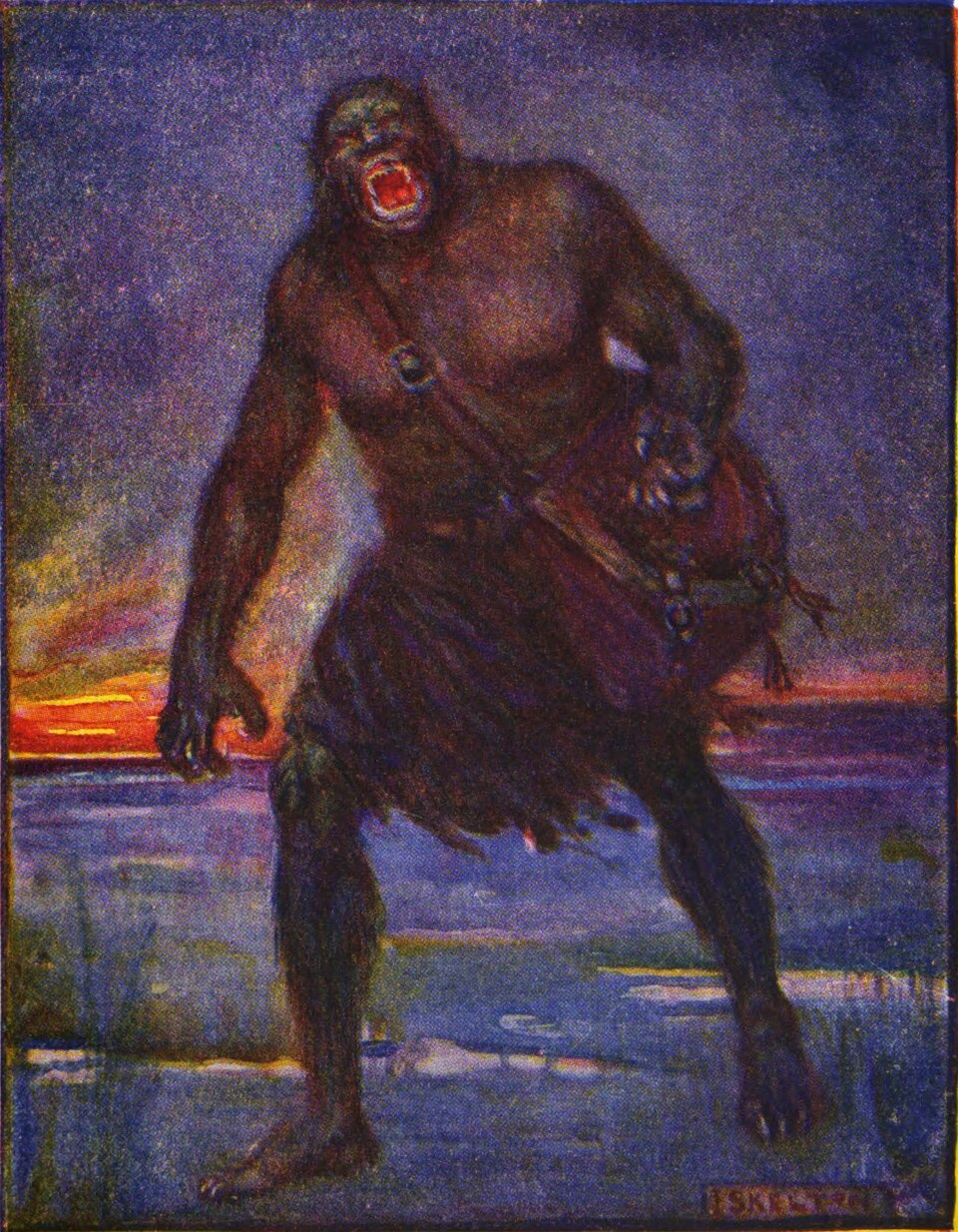
Medieval Monsters: Grendel
Few works of medieval literature are as central to the “monster canon” or as influential on modern fantasy as the Old English epic Beowulf. The poem offers not one but three monstrous antagonists for its hero to confront. Beowulf is an Anglo-Saxon poem, and while the manuscript dates to the tenth or eleventh century, the…
-
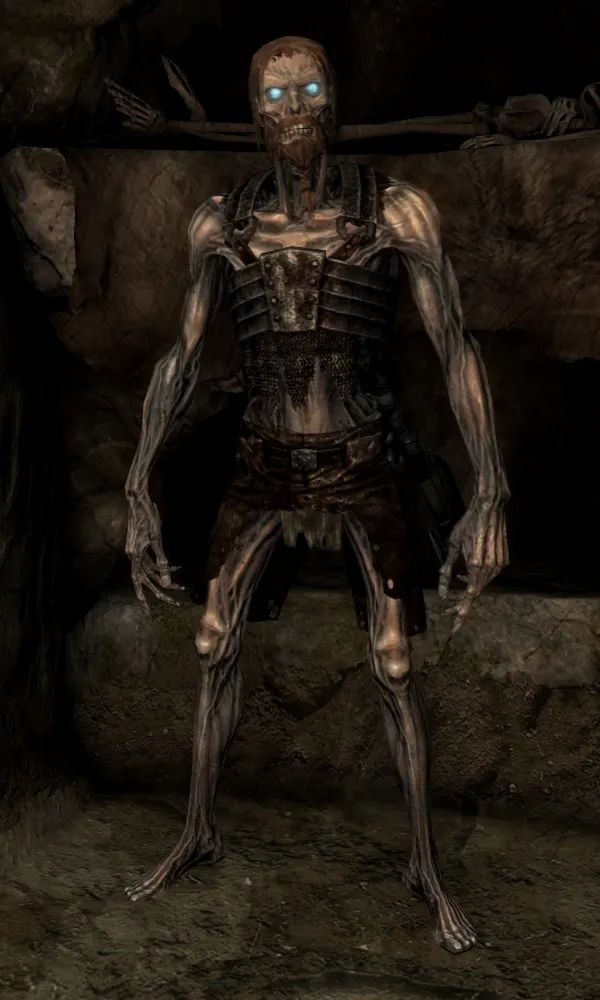
Medieval Monsters: The Draugr
Vampires. Mummies. Zombies. The undead are everywhere in modern horror and fantasy, from Salem’s Lot to The Walking Dead. But they’re far from a recent obsession. Long before even the nineteenth-century Gothic novels of Bram Stoker and Mary Shelley, we find the undead represented in the folklore traditions of every culture—the Ro-Langs of Tibet, the…
-
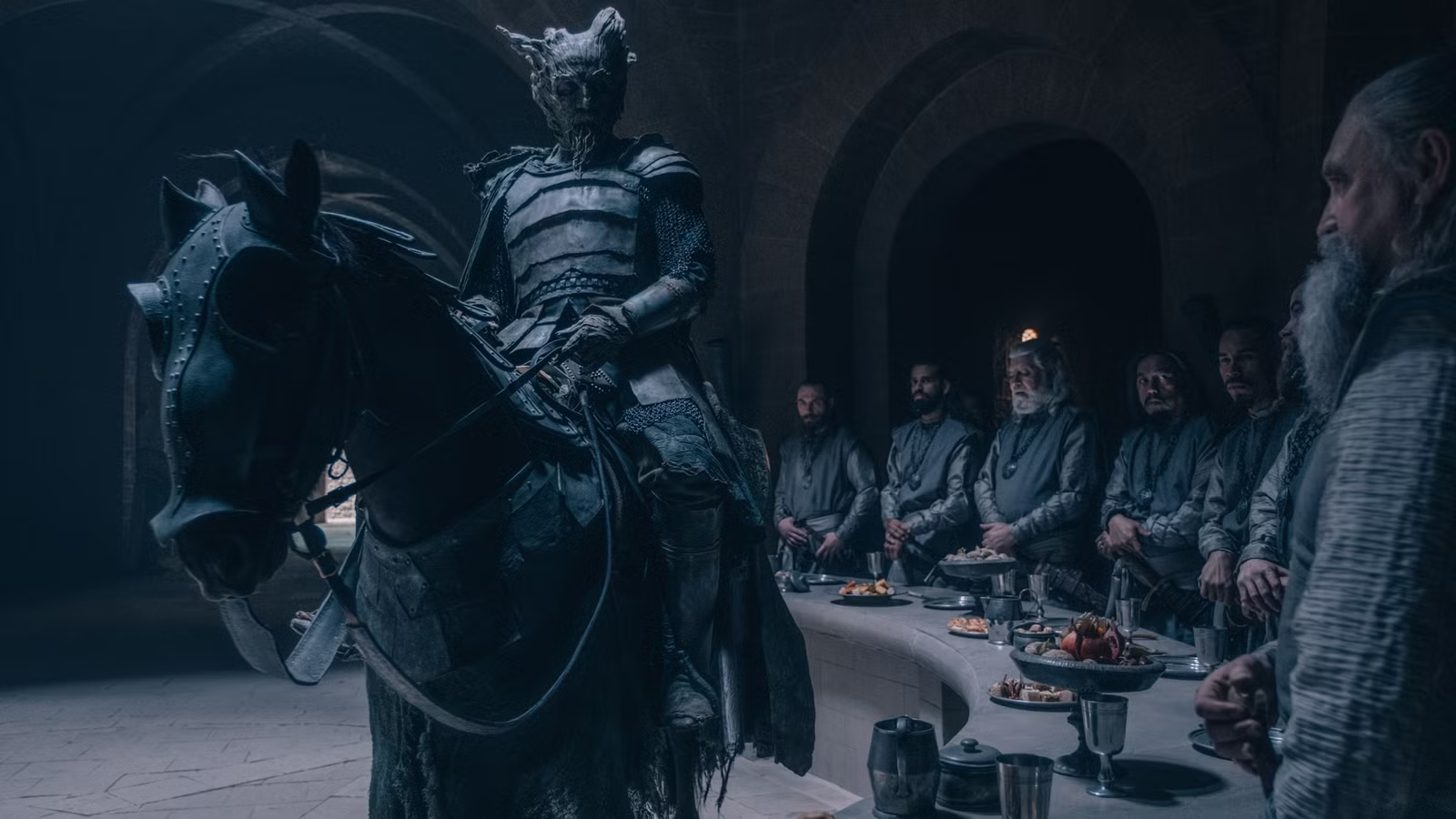
Medieval Monsters: The Green Knight
If you’ve ever taken a first-year English course at university, I’m willing to bet that you’ve encountered Sir Gawain and the Green Knight. This fourteenth-century romance is one of the most well-known works of medieval English literature and a classic entry in the Arthurian corpus.
-
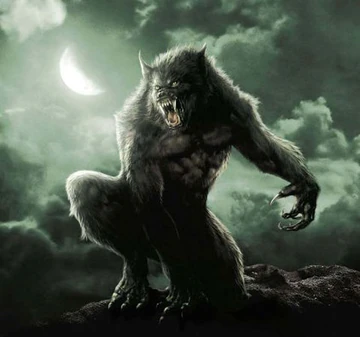
Medieval Monsters: Bisclavret the Werewolf
Of all the monsters of Western folklore, the werewolf is among the most iconic and enduring. From the ancient Greek lycanthrope, to the Roman versipellis, to the “man-wolf” of medieval Europe’s Germanic and Celtic peoples, to the Early Modern witch-hunts, to its widespread presence in modern popular culture, the werewolf has enjoyed near-constant popularity throughout…
-
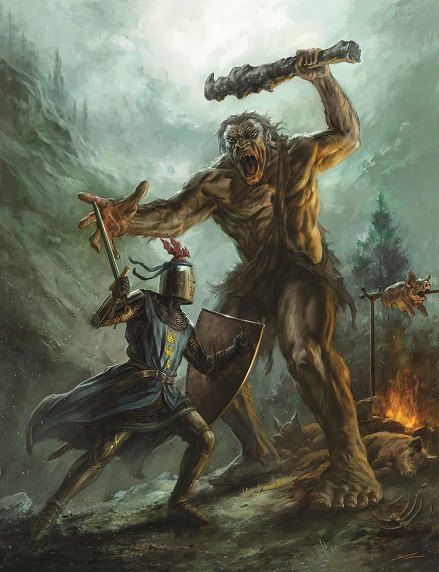
Medieval Monsters: The Giant of Mont St. Michel
If you consume even a small amount of modern fantasy, you’re probably used to seeing monsters in a vaguely medieval setting. It is common to see knights, princesses, and peasants living alongside and/or doing battle against a range of fantastical creatures: dragons, ogres, giants, trolls, orcs, elves, dwarves, and more. Medieval Europe has become, in…
-
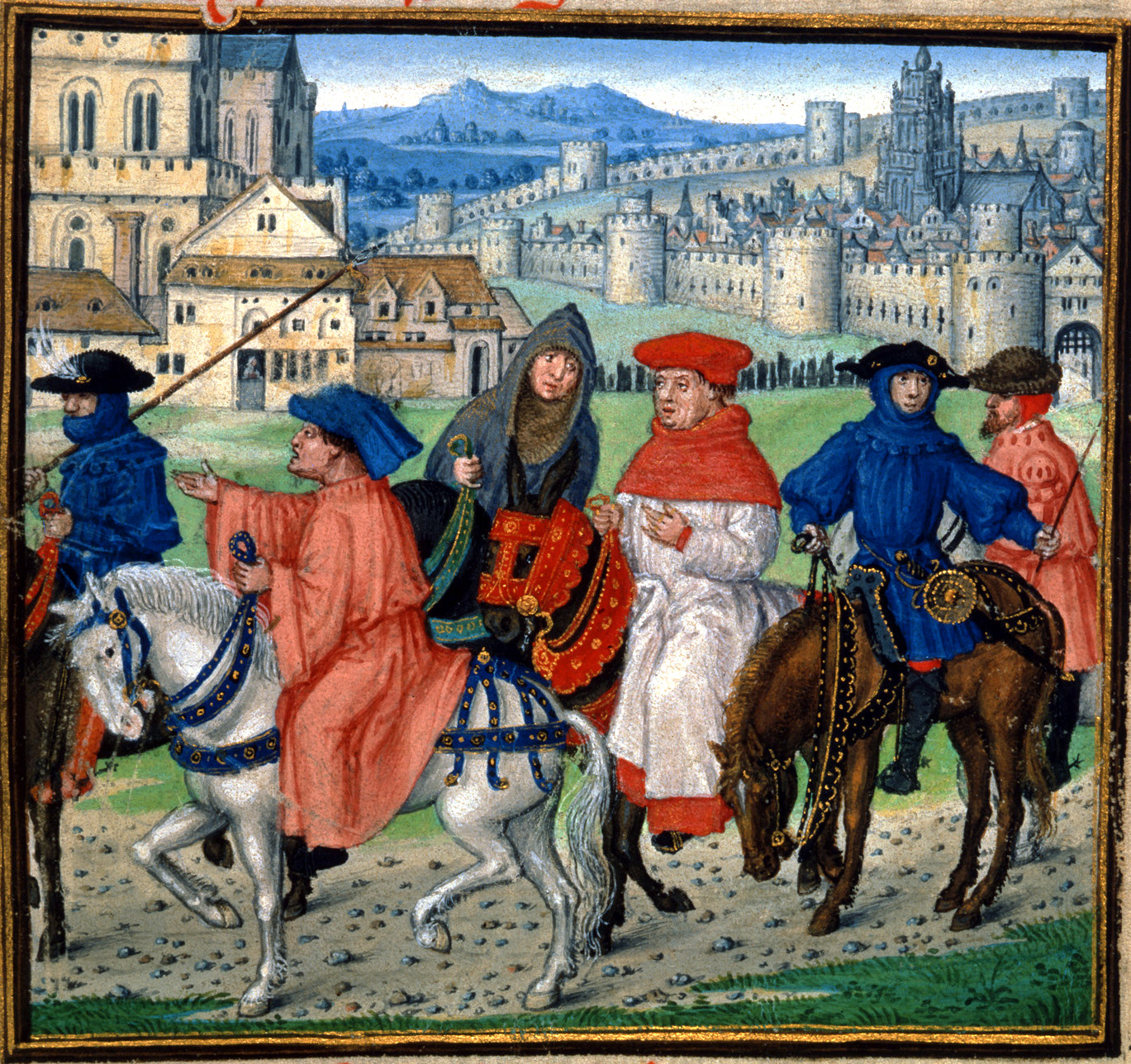
Five books that will help you understand medieval Britain
In an older post, I talked about why I think writers of fantasy and historical fiction should read primary sources to understand the period from which they are taking inspiration. In this post, I’m going to provide some examples of what kinds of sources writers should be reading.
-
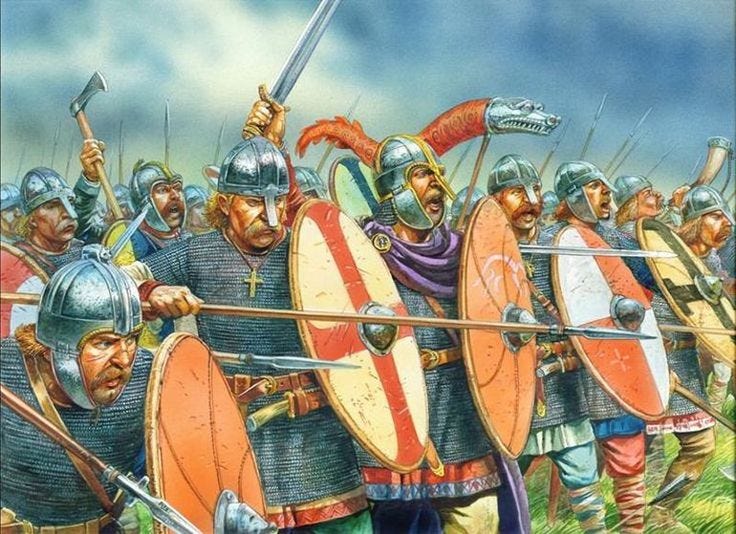
Inside the Anglo-Saxon Shield-Wall: Exploring the Battle of Maldon
The year is AD 991 and a Viking army rages across east England. Led by the fearsome King Olaf, the warrior crews of ninety-three longships pillage the undefended lands of the Anglo-Saxons and plunder the town of Ipswich. Riding to meet them is Earl Byrhtnoth, commander of the Anglo-Saxon army of King Æthelred. It has…
-
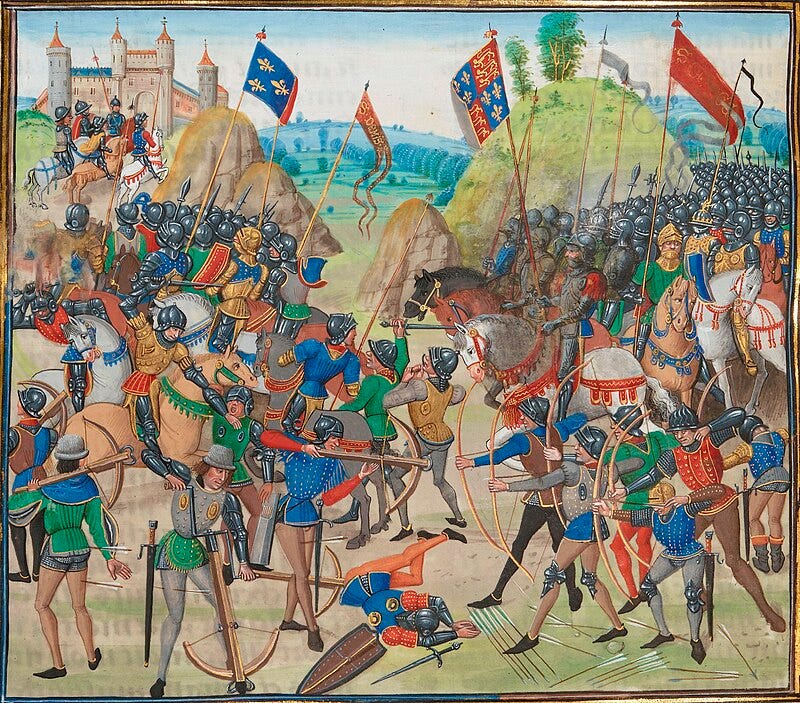
What was a medieval battle really like? A detailed look at the famous Battle of Crecy
August 26, 1346. The sky above the fields of Crécy is black with arrows. It fills with the terrifying roar of English longbows, their iron-tipped bodkin arrows falling like a storm, tearing through heavy mail and plate. In a single afternoon, the landscape of medieval warfare was altered. A great battle was won, not by…