Andrew LiVecchi
Author of immersive epic fantasy
Articles

The Porous Self: Recovering Enchantment in Epic Fantasy

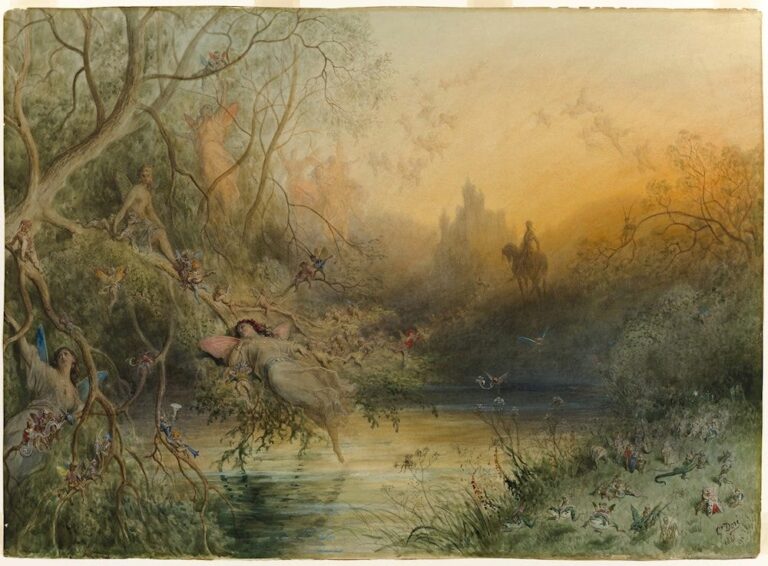
One of the most challenging tasks in writing epic fantasy inspired by ancient or medieval Europe is remaining faithful to the spirit of the age while avoiding the tendency to filter everything through a contemporary worldview. To some extent this is impossible. We can’t help but be people of our time, nor can we fully pretend to be ancient bards or medieval monks, ignorant of the developments in history, natural science, and psychology since 1500. What we can do is seek to embody the sense of magic and enchantment of premodernity, while still writing stories that remain accessible to modern readers.

Read More →
Articles

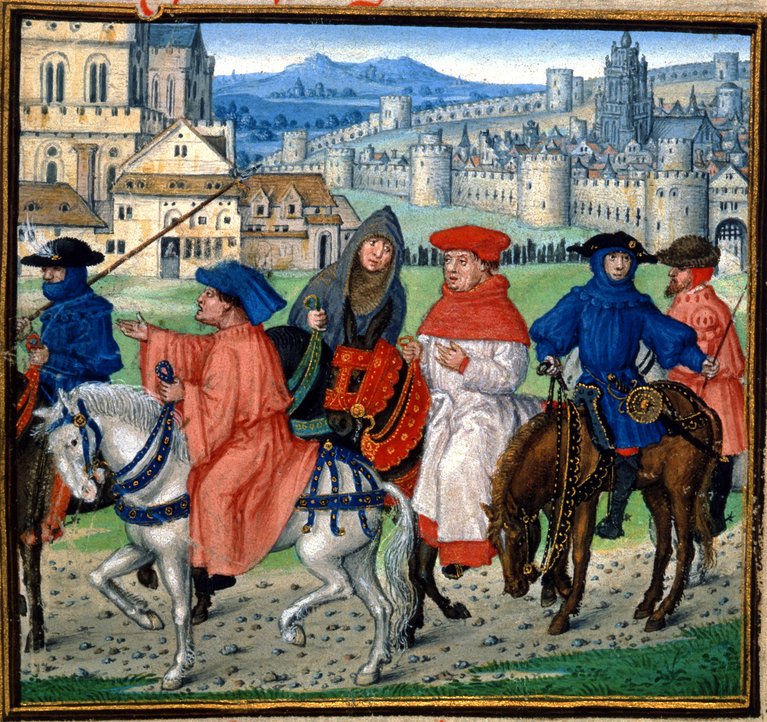
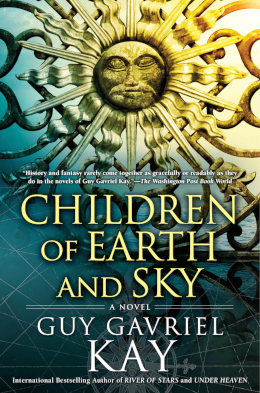
Elegy and Decay: A Review of Guy Gavriel Kay’s “Children of Earth and Sky”

If you’re unfamiliar with his work, Kay writes highly literary, deeply researched epic fantasy based on specific periods of medieval history. He prepares for his novels by spending time in the locations where his books are set—or almost set, since they’re fantasy—places like the south of France, Venice, or Istanbul, and reading up on primary and secondary historical sources as if preparing to write historical fiction.

Read More →
Articles

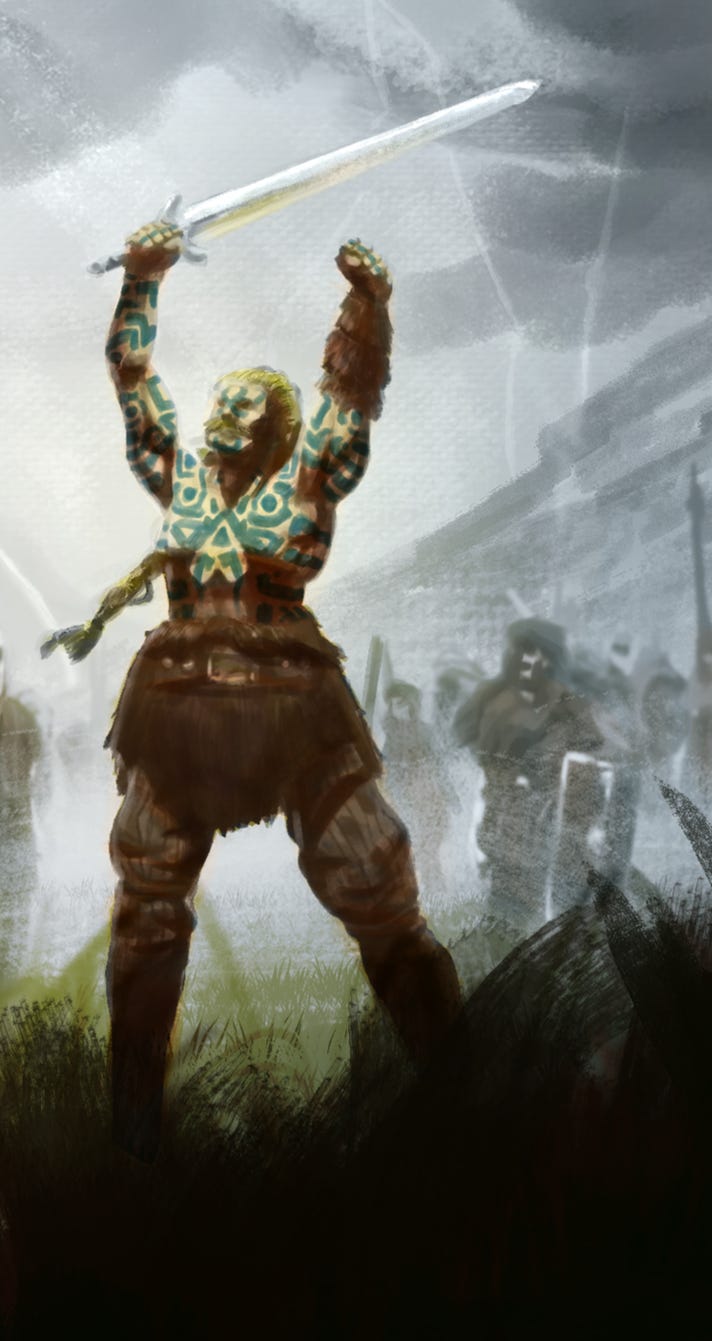
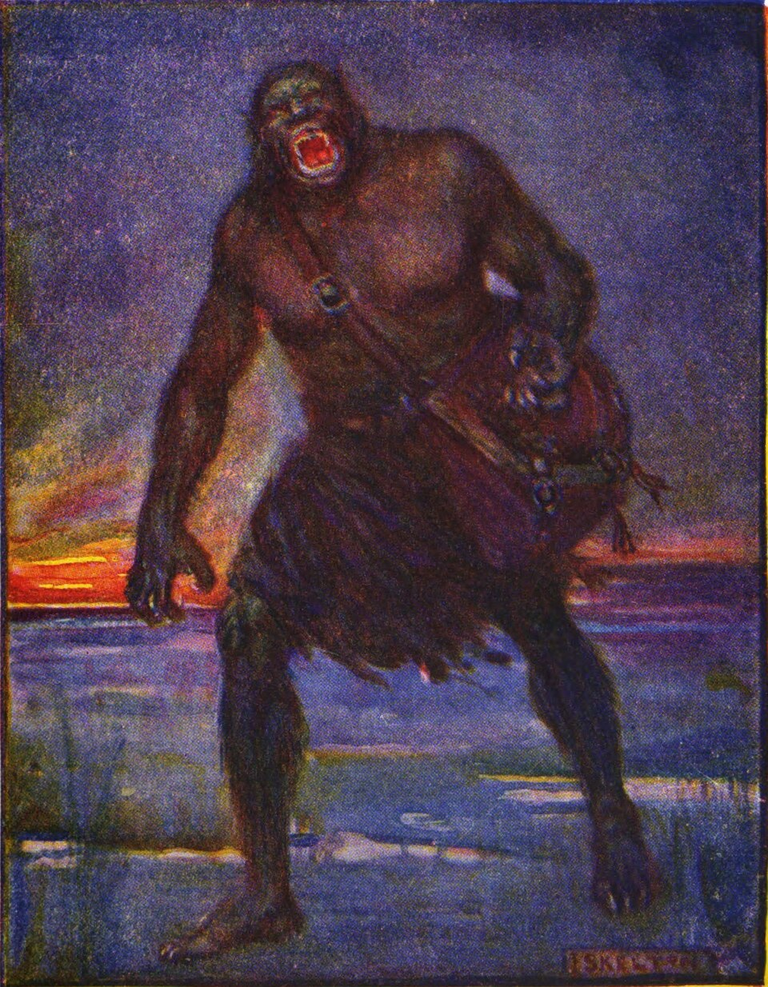
Medieval Monsters: Grendel

Few works of medieval literature are as central to the “monster canon” or as influential on modern fantasy as the Old English epic Beowulf. The poem offers not one but three monstrous antagonists for its hero to confront. Beowulf is an Anglo-Saxon poem, and while the manuscript dates to the tenth or eleventh century, the story itself is much older, originating as an oral poem from the centuries before English became a written language. Its subject matter reflects this long history: a Scandinavian, pre-Christian setting filtered through a later Christian narrative voice.

Read More →
Articles

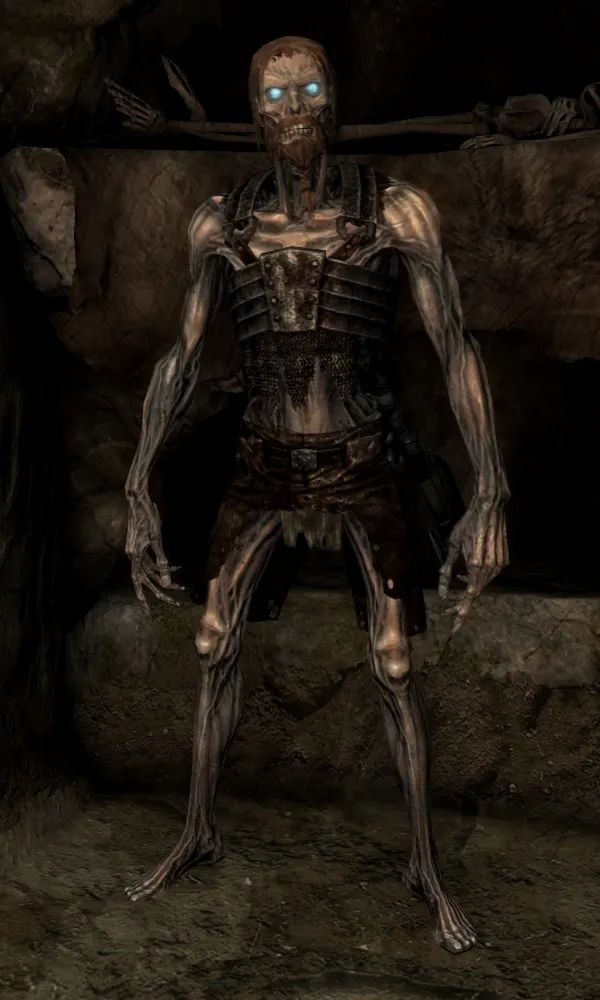
Medieval Monsters: The Draugr

Vampires. Mummies. Zombies. The undead are everywhere in modern horror and fantasy, from Salem’s Lot to The Walking Dead. But they’re far from a recent obsession. Long before even the nineteenth-century Gothic novels of Bram Stoker and Mary Shelley, we find the undead represented in the folklore traditions of every culture—the Ro-Langs of Tibet, the Vrykolakas of Greece, the Sluagh of Ireland, and so on.

Read More →
Articles

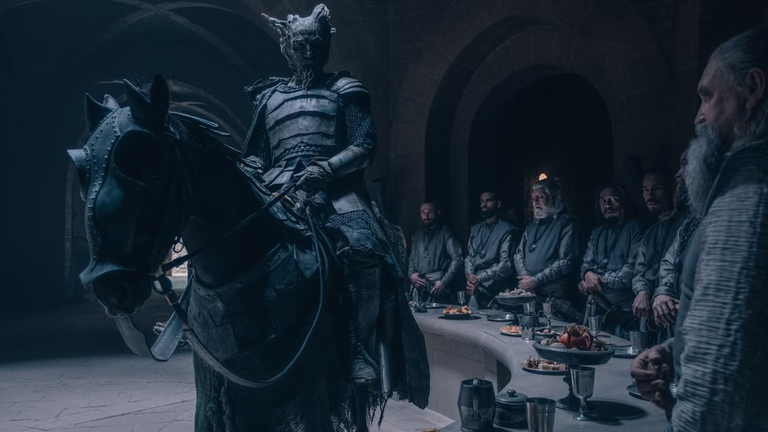
Medieval Monsters: The Green Knight

If you’ve ever taken a first-year English course at university, I’m willing to bet that you’ve encountered Sir Gawain and the Green Knight. This fourteenth-century romance is one of the most well-known works of medieval English literature and a classic entry in the Arthurian corpus.

Read More →
Articles

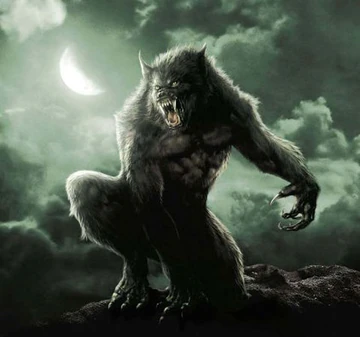
Medieval Monsters: Bisclavret the Werewolf

Of all the monsters of Western folklore, the werewolf is among the most iconic and enduring. From the ancient Greek lycanthrope, to the Roman versipellis, to the “man-wolf” of medieval Europe’s Germanic and Celtic peoples, to the Early Modern witch-hunts, to its widespread presence in modern popular culture, the werewolf has enjoyed near-constant popularity throughout the ages. He appears today in a variety of media and genres — film and television, video games and books, romance and horror.

Read More →
Articles

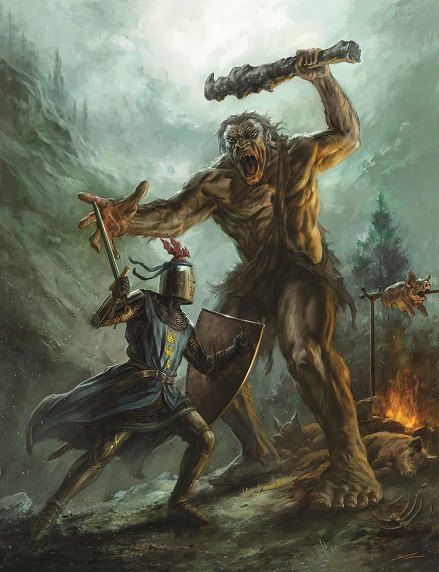
Medieval Monsters: The Giant of Mont St. Michel

If you consume even a small amount of modern fantasy, you’re probably used to seeing monsters in a vaguely medieval setting. It is common to see knights, princesses, and peasants living alongside and/or doing battle against a range of fantastical creatures: dragons, ogres, giants, trolls, orcs, elves, dwarves, and more. Medieval Europe has become, in many ways and for many reasons, the default setting for epic fantasy.

Read More →